

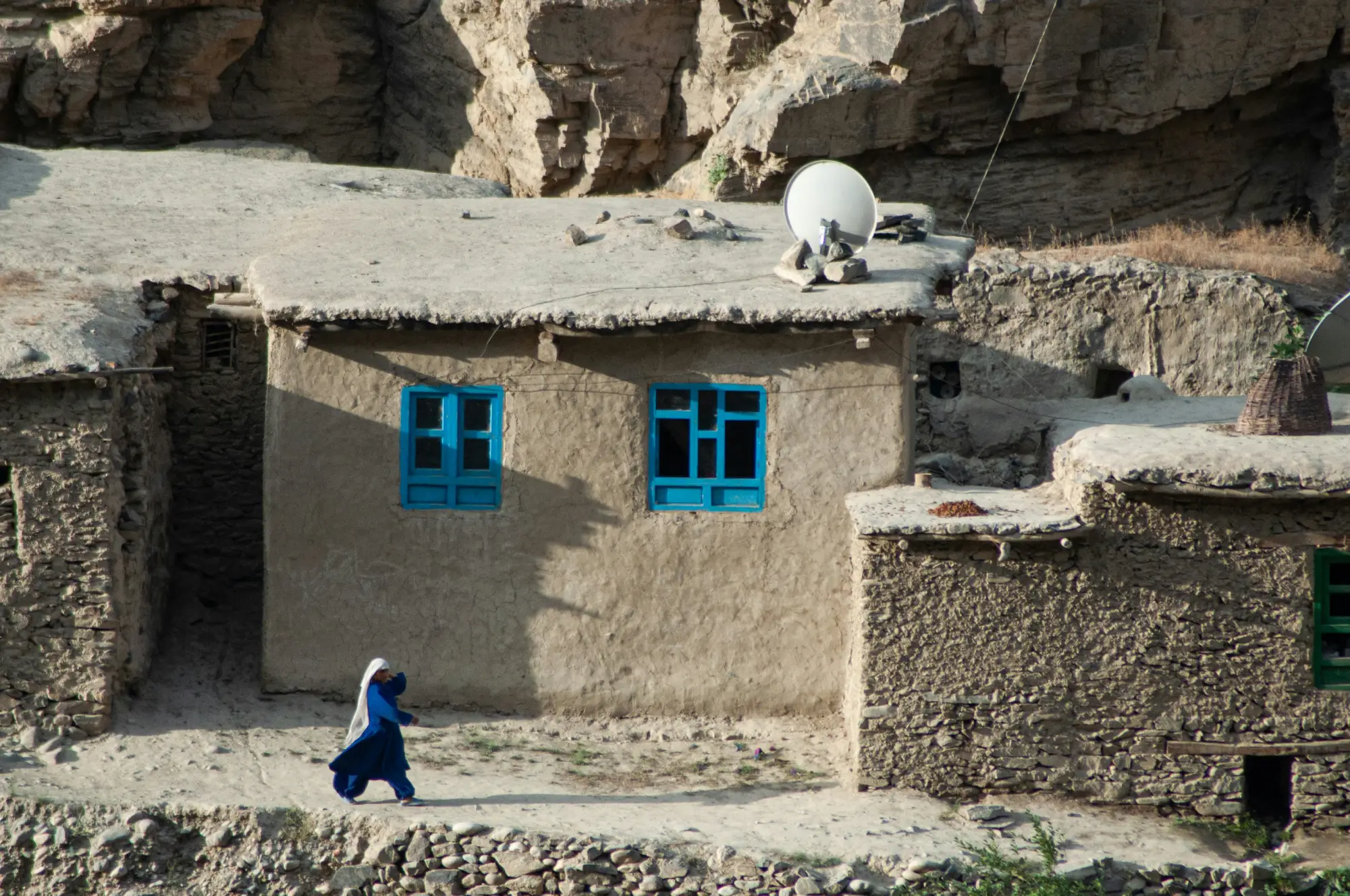
نمای کلی برنامه آزمایشی
نکات کلیدی برنامه آزمایشی در یک نگاه — دامنه، زمانبندی، تیم و تمرکز آن.
| مورد | مقدار |
|---|---|
| کشور | افغانستان |
| مدت | ۳ ماه |
| تاریخها | ۱ اوت تا ۳۱ اکتبر ۲۰۲۶ |
| تیم | ۱ سرپرست برنامه · ۲ پزشک · ۲ کارمند میدانی |
| بیماران هدف | ۱۵۰ |
| فناوری | Welnote |
| تمرکز اصلی | تداوم مراقبت |
| وضعیت | شراکت با Afghan Medical Alliance (AMA) |
1مرور برنامه
هدف
برنامه آزمایشی افغانستان میسنجد که آیا یک سکوی هماهنگیِ مراقبت با رویکرد «نخست آفلاین» میتواند تداومِ مراقبت را در جوامع کمبرخوردار بهبود بخشد — از طریق پیوند دادن کارکنان میدانی، پزشکان از راه دور و هماهنگکنندگان برنامه حول پیگیریِ ساختاریافتهٔ بیماران.
دامنهٔ این برنامه آزمایشی بهعمد محدود است. این برنامه برای اعتبارسنجیِ گردشهای کارِ عملیاتی طراحی شده است، نه پیامدهای بالینی در مقیاس بزرگ.
مدت برنامه آزمایشی
۱ اوت ۲۰۲۶ تا ۳۱ اکتبر ۲۰۲۶.
منطقهٔ جغرافیایی
هنوز تأیید نشده (TBC). یک ولسوالی همراه با یک شریک اجرایی و بر پایهٔ معیارهای زیر انتخاب خواهد شد:
- حضور موجودِ شریک محلی
- در دسترس بودن کارکنان میدانی
- دسترسی به مراکز ارجاع
- پذیرش از سوی جامعه
- در دسترس بودن دستگاههای موبایل
- پوشش پایهٔ شبکهٔ موبایل
2تیم آزمایشی
تیم اصلی
| نقش | تعداد | مسئولیت |
|---|---|---|
| سرپرست برنامه | ۱ | نظارت بر برنامه، هماهنگی با شرکا و گزارشدهی |
| پزشکان از راه دور | ۲ | تماس مستقیم با بیمار، ایجاد و بازبینی پرونده، طرحهای مراقبت و توصیههای ارجاع |
| کارکنان میدانی | ۲ | ثبتنام بیمار، ویزیتهای پیگیری و گردآوری دادهها |
سازمانهای شریک
این برنامه آزمایشی از طریق یک یا چند شریک اجراییِ ثبتشده بهصورت محلی اجرا خواهد شد. مسئولیتهای شریک ممکن است شامل موارد زیر باشد:
- تعامل با جامعه
- جذب کارکنان میدانی
- نظارت بالینی
- مدیریت مسیر ارجاع
- تأییدیههای قانونی و عملیاتی
3دامنهٔ برنامه آزمایشی
خدمات دربرگرفتهشده
فعالیتهای اولیه بر گردشهای کارِ پیگیریِ ساختاریافته و تداومِ مراقبت تمرکز دارند، از جمله:
- پیگیری سلامت مادران
- پیگیری دوران پس از زایمان
- پیگیری سلامت کودکان
- پایش تغذیه
- پیگیری بیماریهای مزمن
- بازدیدهای عمومی سلامت در جامعه
خارج از دامنه
این برنامه آزمایشی موارد زیر را ارائه نخواهد کرد:
- خدمات واکنش اضطراری
- مدیریت بیمارستان
- توزیع دارو
- تصویربرداری تشخیصی
- عملیات آزمایشگاهی
- تشخیص خودکار با هوش مصنوعی
- جایگزینی مرجع بالینی محلی
4گردش کار برنامه آزمایشی
گام ۱ — تماس با بیمار و ایجاد پرونده
یک پرونده میتواند در میدان یا از راه دور آغاز شود: یک کارمند میدانی بیمار را در جامعه ملاقات میکند، یا یک پزشک مستقیماً با بیمار تماس میگیرد. ایجاد پرونده ممکن است شامل موارد زیر باشد:
- ثبتنام
- تأیید رضایت
- مشاهدات ساختاریافته
- گردآوری علائم
- مستندسازی پیگیری
گام ۲ — ثبت پرونده
اطلاعات پرونده بهصورت محلی روی دستگاه ذخیره میشود و هنگام در دسترس شدن اتصال، همگامسازی میشود.
گام ۳ — بازبینی بالینی
یک پزشک از راه دور پروندهٔ ثبتشده را بازبینی میکند و ممکن است موارد زیر را ارائه دهد:
- توصیههای پیگیری
- توصیههای ارجاع
- درخواست اطلاعات تکمیلی
گام ۴ — پیگیری
یک کارمند میدانی—یا پزشکی که مستقیماً با بیمار در تماس است—پیگیری را انجام میدهد و نتیجه را ثبت میکند.
گام ۵ — پایش برنامه
سرپرست برنامه، شاخصهای تجمیعی و عملکرد عملیاتی را بازبینی میکند — بدون دسترسی به پروندههای بالینیِ فردی.
5حجم فعالیت هدف
این برنامه آزمایشی برای اعتبارسنجیِ گردشهای کار در نظر گرفته شده است، نه دستیابی به پوشش در مقیاس بزرگ. اهداف ممکن است با بازخورد شرکا تعدیل شوند.
| شاخص | هدف |
|---|---|
| بیماران ثبتنامشده | ۱۵۰ |
| پروندههای بازبینیشده | ۱۵۰ تا ۴۰۰ |
| ویزیتهای پیگیریِ تکمیلشده | ۵۰+ |
| بازبینیهای بالینیِ تکمیلشده | بیش از ۹۰٪ پروندههای ثبتشده |
| مدت برنامه | ۳ ماه |
6فناوری
اپلیکیشن موبایل Welnote
توسط کارکنان میدانی برای موارد زیر استفاده میشود:
- گردآوری دادهٔ آفلاین
- پیگیری بیمار
- زمانبندی پیگیری
- ثبت پرونده
پرتال وب Welnote
توسط پزشکان و سرپرستان برنامه برای موارد زیر استفاده میشود:
- بازبینی پرونده
- برنامهریزی مراقبت
- پایش برنامه
- گزارشدهی
اصول داده
- عملکرد با رویکرد نخست آفلاین
- همگامسازی ذخیرهوارسال
- پروندههای بیمارِ ناممستعار
- ثبت رویدادهای ممیزی
- کنترل دسترسی مبتنی بر نقش
7پایش و معیارهای موفقیت
موفقیت عملیاتی
این برنامه آزمایشی در صورت تحقق موارد زیر از نظر عملیاتی موفق در نظر گرفته میشود:
- کارکنان میدانی بهطور مستمر از سکو استفاده کنند
- پروندهها بتوانند از راه دور بازبینی شوند
- فعالیتهای پیگیری بتوانند ردیابی شوند
- همگامسازی دادهها قابلاعتماد باقی بماند
- گردشهای کارِ ارجاع طبق انتظار عمل کنند
اهداف یادگیری
این برنامه آزمایشی در پیِ پاسخ به پرسشهای زیر است:
- آیا کارکنان میدانی میتوانند دادهٔ ساختاریافتهٔ بیمار را بهصورت آفلاین بهخوبی ثبت کنند؟
- آیا پزشکان میتوانند پروندهها را با اطلاعات کافی از راه دور بازبینی کنند؟
- آیا پیگیری بیمار میتواند با ثبات بیشتری ردیابی شود؟
- آیا گزارشدهیِ برنامه میتواند با بار اداریِ کمتر تولید شود؟
- پیش از استقرار گستردهتر، چه بهبودهایی در گردش کار لازم است؟
8حریم خصوصی و تدابیر حفاظتی
حریم خصوصی بیمار
این برنامه آزمایشی از اصل گردآوریِ حداقلِ دادهٔ ضروری پیروی میکند. تدابیر شامل موارد زیر است:
- بهصورت پیشفرض با نام مستعار؛ نام واقعی تنها برای اعضای همان برنامه قابل مشاهده (امنیت در سطح ردیف)
- دسترسی کنترلشدهٔ کاربران
- انتقال رمزگذاریشدهٔ دادهها
- ردپای ممیزی
- عدم افشای عمومی اطلاعات بیمار
مرزهای بالینی
کارکنان میدانی اطلاعات را گردآوری میکنند، پیگیری انجام میدهند و موارد نگرانکننده را ارجاع میدهند.
کارکنان میدانی موارد زیر را انجام نمیدهند:
- تشخیص بیماریها
- تجویز درمان
- جایگزینی پزشکان
تصمیمهای بالینی همچنان بر عهدهٔ متخصصان واجد شرایطِ مراقبت سلامت باقی میماند.
9خلاصهٔ بودجه
انتظار میرود بودجهٔ اولیهٔ برنامه آزمایشی محدود باشد و عمدتاً بر کارکنان و عملیات تمرکز داشته باشد. بودجهٔ تفصیلی همراه با شرکای اجرایی نهایی خواهد شد.
| مورد | مبلغ |
|---|---|
| حقالزحمهٔ پزشک | ۳۰۰٬۰۰۰ ین |
| توسعهٔ محصول و عملیات | ۸۰۰٬۰۰۰ ین |
| ارتباطات، دستگاهها و سیمکارت و غیره | ۲۰۰٬۰۰۰ ین |
| ترجمه و ترجمهٔ شفاهی | ۱۰۰٬۰۰۰ ین |
| پژوهش و ارزیابی | ۳۵۰٬۰۰۰ ین |
| مشاورهٔ حقوقی | ۲۵۰٬۰۰۰ ین |
| هزینهٔ احتیاطی | ۲۵۰٬۰۰۰ ین |
| مجموع | ۲٬۲۵۰٬۰۰۰ ین |
10درخواست بازخورد از شرکا
Welnote از بازخورد در چهار حوزهٔ زیر استقبال میکند:
بالینی
- دامنهٔ مناسب خدمات
- مسیرهای ارجاع
- الزامات نظارت بالینی
عملیاتی
- فرضهای مربوط به نیروی انسانی
- رویکرد تعامل با جامعه
- الزامات آموزشی
مقرراتی
- ملاحظات مجوز
- الزامات مدیریت داده
- تأییدیههای استقرار
طراحی برنامه
- جمعیتهای هدف بیماران
- شاخصهای موفقیت
- ملاحظات پایداری
11گامهای بعدی
پیش از آغاز
- تأیید ولسوالی برنامه آزمایشی
- تأیید شریک اجرایی
- تأیید تیم بالینی
- نهاییسازی رویههای عملیاتی
- اجرای آموزش
- تکمیل بررسی آمادگی میدانی
دورهٔ برنامه آزمایشی
۱ اوت ۲۰۲۶ تا ۳۱ اکتبر ۲۰۲۶.
پس از برنامه آزمایشی
- بازبینی عملیاتی
- کارگاه بازخورد شرکا
- گزارش درسهای آموختهشده
- تصمیمگیری دربارهٔ گسترش فاز ۲